

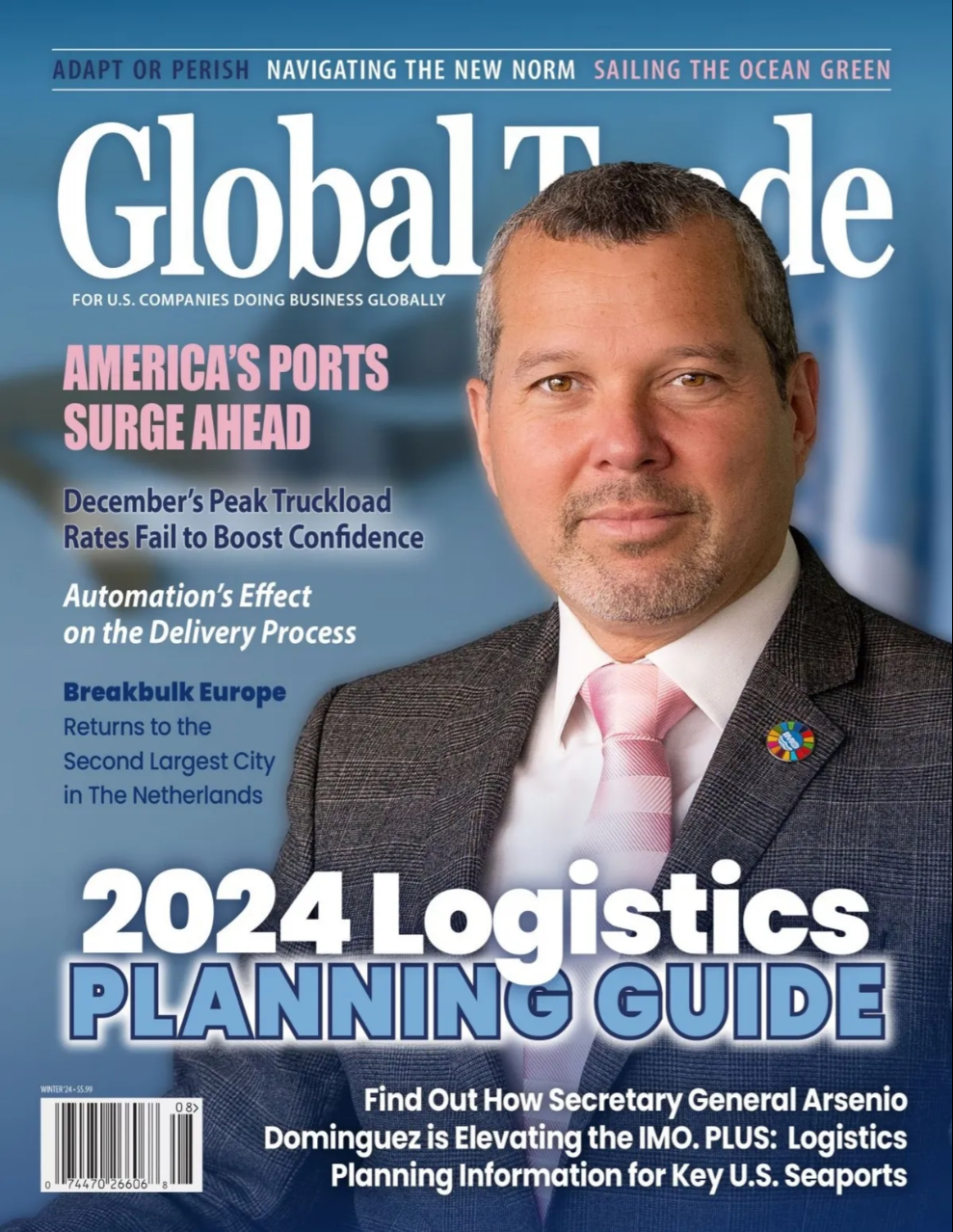
Public ports in the United States play an important role in local and regional economies throughout the nation. They generate business development and provide employment to more than 13 million Americans, which includes those that work at the ports themselves and those employed in global trade and import/export support services. According to the American Association of Port Authorities, U.S. business activities related to waterborne commerce contribute more than $3 trillion to America’s economy. Seaport activities alone account for tens of millions in federal, state and local tax revenues. There are approximately 360 commercial ports that serve the United States, according to the U.S Coast Guard. Many of these accommodate ocean-going cargo, as well as barges, ferries and recreational watercraft. More than 150 deep draft seaports are located along the Atlantic and Pacific Oceans as well as the Great Lakes, the Gulf of Mexico, Alaska, Hawaii, Puerto Rico, Guam and the U.S. Virgin Islands. The Port of South Louisiana ranks first in cargo volume (in tonnage) among U.S. Ports, followed by the Port of Houston, Texas and the Ports of New York and New Jersey (Port Newark). Many of the country’s most prominent ports work closely with private industry in the development and financing of maritime-related facilities. More than 60 U.S. ports are now nearing the end of a five-year infrastructure development project created to expand and modernize their facilities for more efficient cargo movement. A by-product of this effort, beside additional job creation, is helping to make American exports more competitive overseas. America’s port authorities play a key role in the business of waterborne commerce. Their authority may also incorporate other global trade hubs such as airports, industrial parks and Foreign Trade Zones. Since 9/11, there has also been a renewed appreciation of the role that port authorities play in national security.

Surge in U.S. Inbound Containers Signals Economic Growth in 2024
In the opening months of 2024, the United States has witnessed a significant surge in inbound container volumes, signaling robust… Read More

Baltimore Bridge Collapse: Significant Impact on Local Port and Economy, Limited Effect on US Economy Overall
The recent incident involving the Francis Scott Key Bridge in Baltimore, Maryland, which was struck by a container ship, is… Read More

November Sees 9% Drop in US Container Imports; Panama Drought Affects East and Gulf Coast Ports
Descartes Systems Group (Nasdaq: DSGX) (TSX:DSG), the global leader in uniting logistics-intensive businesses in commerce, released its December Global Shipping… Read More

US Airport Rankings – The Best and the Worst for 2023
A poor air travel experience can derail any trip. Whether it’s business or pleasure, getting through the airport and on… Read More

SC Ports Boosts Holiday Giving with $25,000 Contribution to Lowcountry Food Bank
In the spirit of holiday generosity, SC Ports is making a meaningful impact by donating $25,000 to the Lowcountry Food… Read More

Port Houston Achieves Record-Breaking Month for Loaded Exports
Port Houston has set a new record for loaded exports in October, marking a 6% increase compared to the same… Read More

Foreign Food Suppliers Had Some “Very Tense” Moments During 2023 Port Disruptions in the U.S.
Large International Turnout at New York’s Fancy Food Show 2023 Even as they tried to put last year’s U.S. port… Read More

Average Demurrage and Detention Charges Witness a 25% Dip Globally in 2023; 7 U.S. Ports Rank Highest
Average Demurrage and Detention charges experience a year-on-year decline of 25% in 2023, with a significant 14% decrease compared to… Read More
New Federal Rule Threatens to Shut Down Four of Florida’s Seaports
Newly proposed rules by the National Oceanic Atmospheric Association (NOAA) pose a clear and present danger to Florida’s economy, its… Read More

More Funding now Flowing to U.S. Ports for Modernization Projects
American ports, even those that are among the busiest in the world, have faced near-crippling levels of congestion since the… Read More

Appointment of New U.S. Port and Supply Chain Envoy
The American Association of Port Authorities (AAPA) — the unified voice of the seaport industry in the Americas — released… Read More

TIACA Announces the Launch of Regional Symposium
The International Air Cargo Association (TIACA) announced the launch of the Regional Symposium series. The series is aimed at engaging… Read More
1 2 3 … 51 Next »